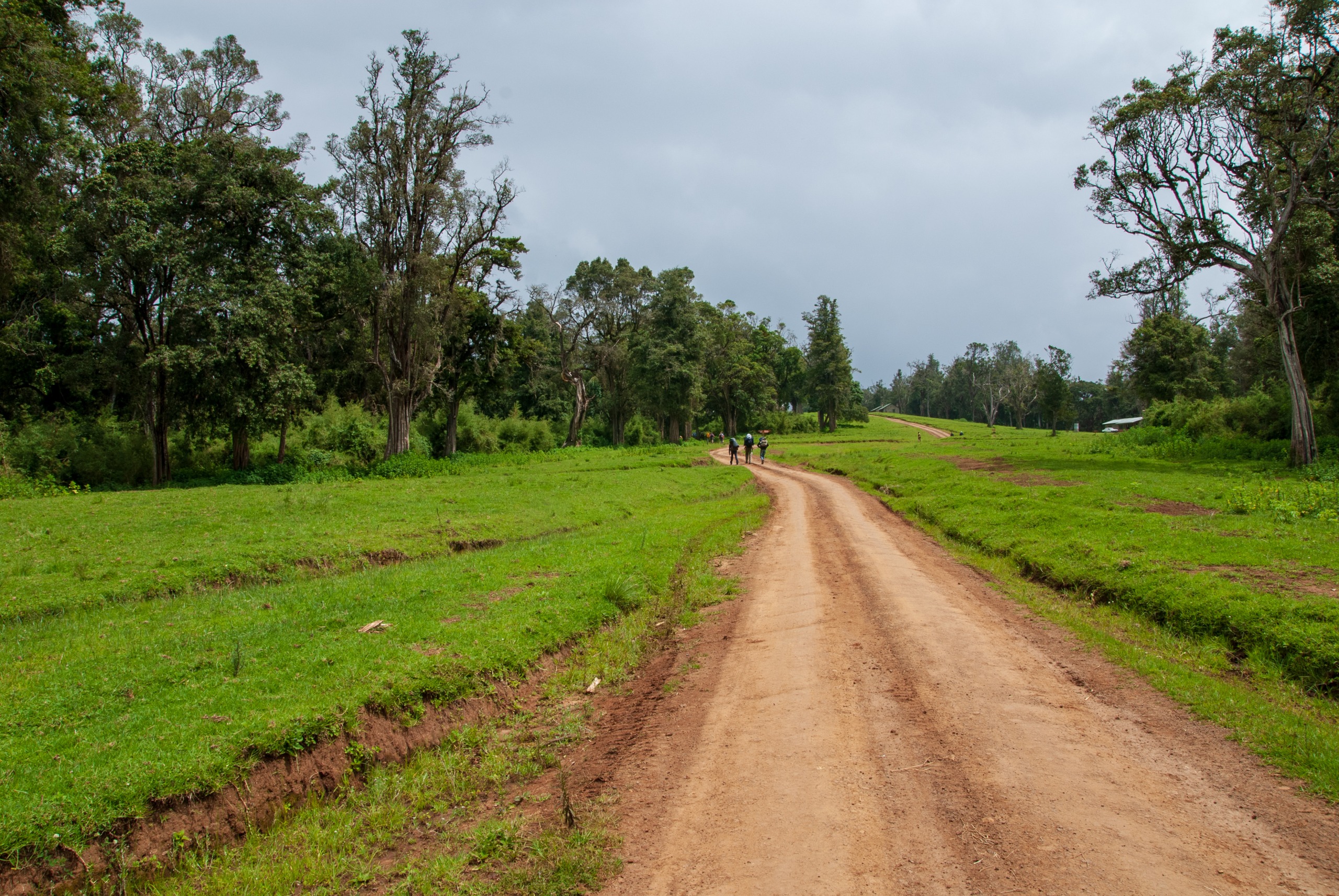
Shira Hut
The first altitude stage on Kilimanjaro's Lemosho and Shira routes, Shira Hut sits at 3,500 m on the ancient Shira volcanic plateau, between afroalpine moorlands and views of Kibo.
Shira Hut, also known as Shira 1, is a high-altitude camp situated on the Shira plateau, at approximately 3,500 meters, on Kilimanjaro's western slopes. A key stage on the Lemosho and Shira routes, it marks the entry into the alpine zone after crossing forest and moorland. The plateau offers clear views of surrounding peaks and provides a crucial first night of acclimatization before the ascent toward Lava Tower.
Quick facts at a glance
- Altitude: approximately 3,500 m
- Access: on foot only, via the Lemosho or Shira routes — no road access to the camp
- Accommodation: camping tents (provided by operators); no permanent shelter
- Permits: entry to the national park is mandatory, included in operator packages
- Stage duration: day trek from Lemosho Gate (Londorossi Gate), typically 5 to 7 hours
- Clothing: thermal layers essential at night; temperatures below freezing are possible
What to see
The Shira plateau is an ancient volcanic caldera now covered in alpine moorland. From the camp, views stretch to Kibo to the northeast and, on clear days, to Mount Meru in Tanzania. Vegetation is sparse, dominated by giant groundsels (Senecio kilimanjari) and lobelias, typical of the afroalpine zone. Nights offer remarkably starry skies, far from any light pollution.
History and context
The Shira plateau is one of three volcanoes comprising the Kilimanjaro massif, along with Kibo and Mawenzi. It collapsed approximately 500,000 years ago, forming this vast flat expanse at over 3,800 meters at its highest point. The Lemosho route, which passes through Shira Hut, was developed to offer a more gradual and less crowded approach than the Marangu road.
Highlights of the visit
Sunrise over the plateau
At dawn, low-angled light bathes the moorlands in ochre tones and reveals Kibo's silhouette. This is the camp's most photographed moment, before clouds rise from the valleys below.
Afroalpine wildlife
White ravens, sparrowhawks, and occasionally Cape buffalo frequent the plateau. Encounters remain unpredictable but are real at this altitude.
Active acclimatization
Guides recommend a short altitude hike after settling into camp — the "climb high, sleep low" principle — to prepare your body for the following stages toward Lava Tower (4,600 m).
Photography tips
Light is optimal at sunrise, before 7 a.m. Frame Kibo in the background with giant groundsels in the foreground for a quintessential plateau composition. Protect your camera from the cold nights: batteries discharge rapidly below 0 °C. No photography restrictions exist within the park, except to avoid disturbing wildlife.
Location and access
Shira Hut lies within the Kilimanjaro National Park, in Tanzania (not Kenya, despite proximity to the border). Access is via the Londorossi Gate for the Lemosho route, or the Shira Gate for the Shira route. The nearest departure town is Moshi, approximately 2 to 3 hours' drive depending on your entry point. All ascents must be organized with a KINAPA-authorized operator; it is impossible to climb Kilimanjaro independently.
Nearby attractions
- Lava Tower — volcanic formation at 4,600 m, a critical acclimatization stage the day after Shira Hut.
- Barranco Wall — an iconic cliff face on the ascent, reached after descending from Lava Tower.
- Kilimanjaro National Park — protected landscape designated a UNESCO World Heritage Site, encompassing the entire massif.
Frequently asked questions
It appears on both routes. On the Lemosho route, it's the first night after the forest; on the Shira route, the camp is reached on the first day from Shira Gate.
Nighttime temperatures regularly drop below 0 °C. A sleeping bag rated for −10 °C, thermal underwear, and a beanie are essential.
Camp toilets (latrines) are available. Water must be filtered or treated; operators typically provide boiled water for meals and drinking.
Technically no: access to the national park requires a permit and authorized guide, and the routes are designed for the full ascent. A partial trek to the plateau is possible but must be arranged through an operator.
Tanzania. Kilimanjaro is entirely within Tanzanian territory, though the mountain is visible from Kenya. All procedures (visas, permits) fall under Tanzanian authorities.
January–February and July–October offer the most stable conditions. The long rainy season (March–May) makes trails slippery and visibility poor.
Want to discover this destination?
Our local advisors design your tailor-made trip.