Nairobi National Park
Nairobi National Park
Just 7 km from Nairobi's city centre, Kenya's oldest national park brings together lions, rhinoceros and giraffes across 117 km², with skyscrapers on the horizon.
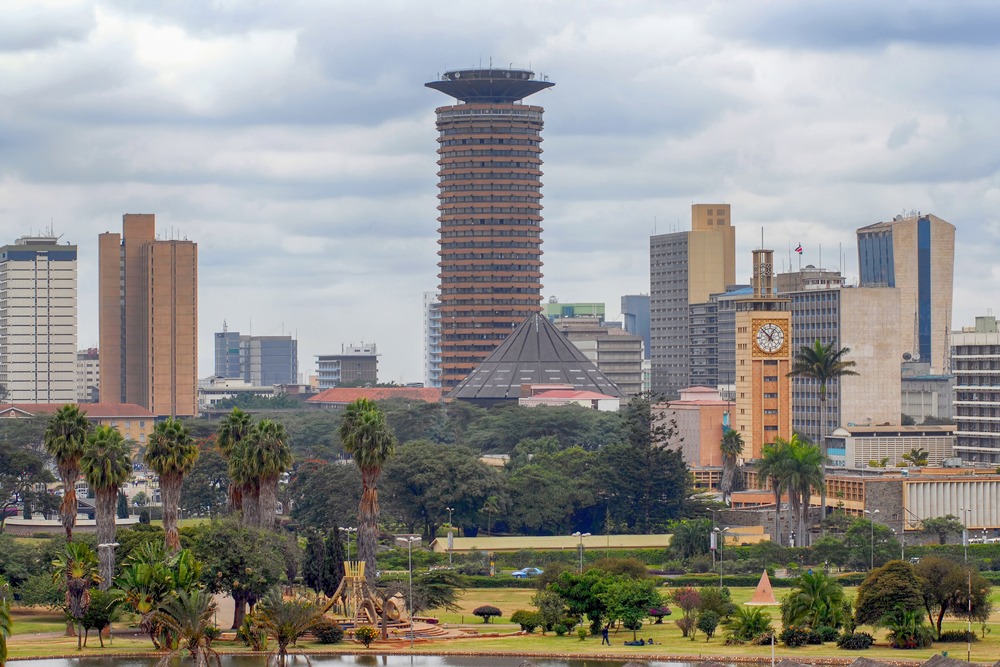
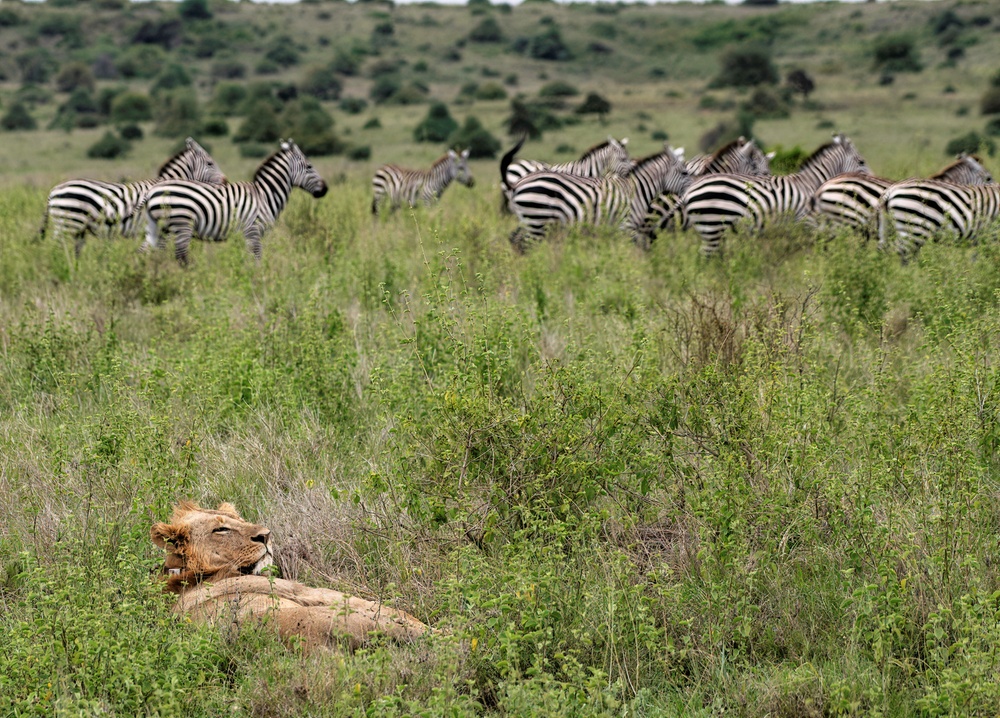
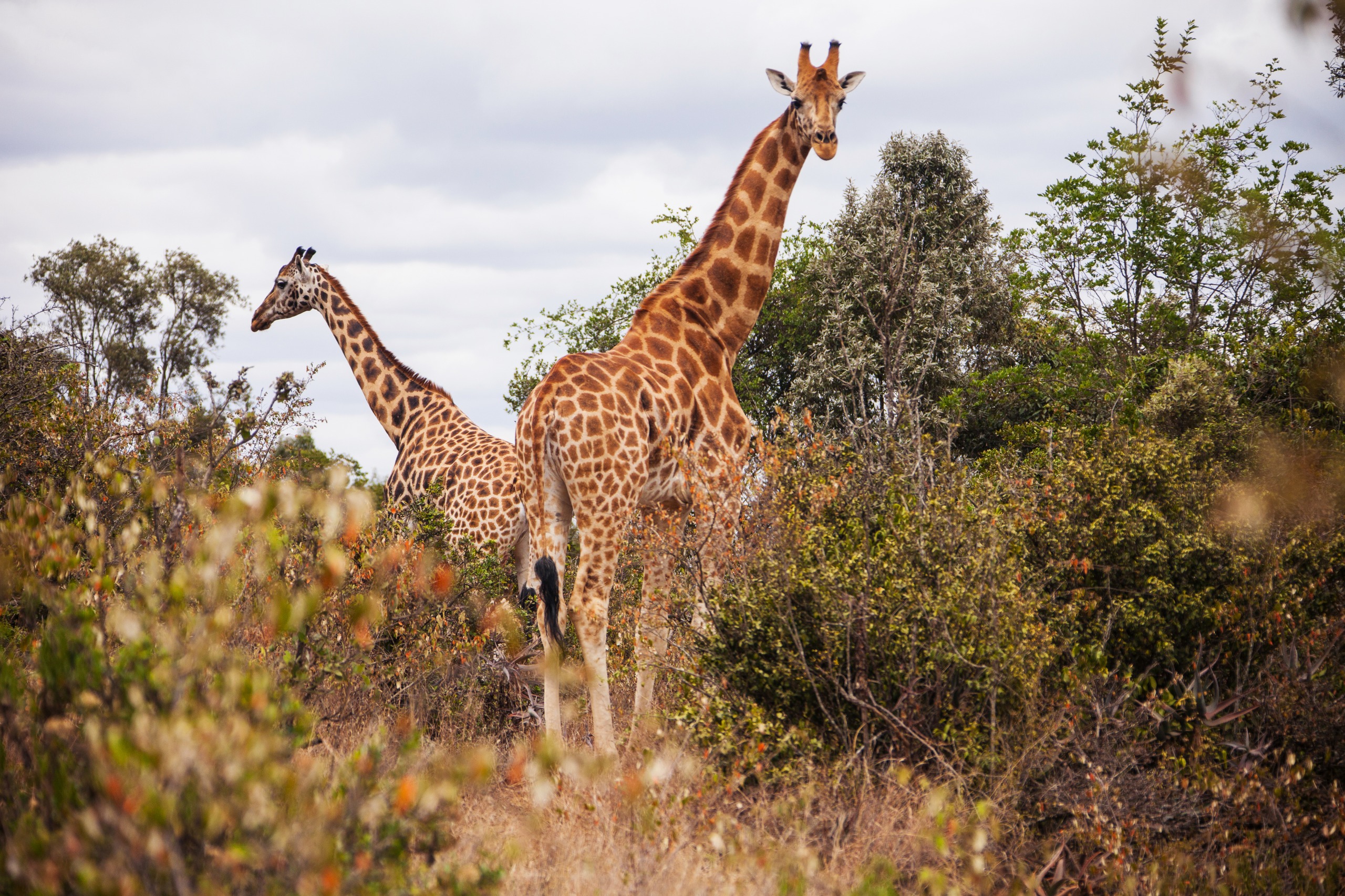
Nairobi National Park occupies a unique position: a savanna teeming with lions, rhinoceros and giraffes just 7 km from central Nairobi, with the capital's skyline and aircraft approaching the airport in the background. Across 117 km², it offers a concentrated slice of Kenyan wildlife within immediate reach of the city, requiring neither lengthy drives nor complex logistics.
Why visit Nairobi National Park
The park combines three rare advantages. First, its accessibility: it can be reached in under an hour from the city centre or Jomo Kenyatta International Airport. Second, the density of wildlife across a modest area, which ensures quick sightings even during a half-day visit. Third, its role as a sanctuary for the black rhinoceros, one of Kenya's most effective refuges.
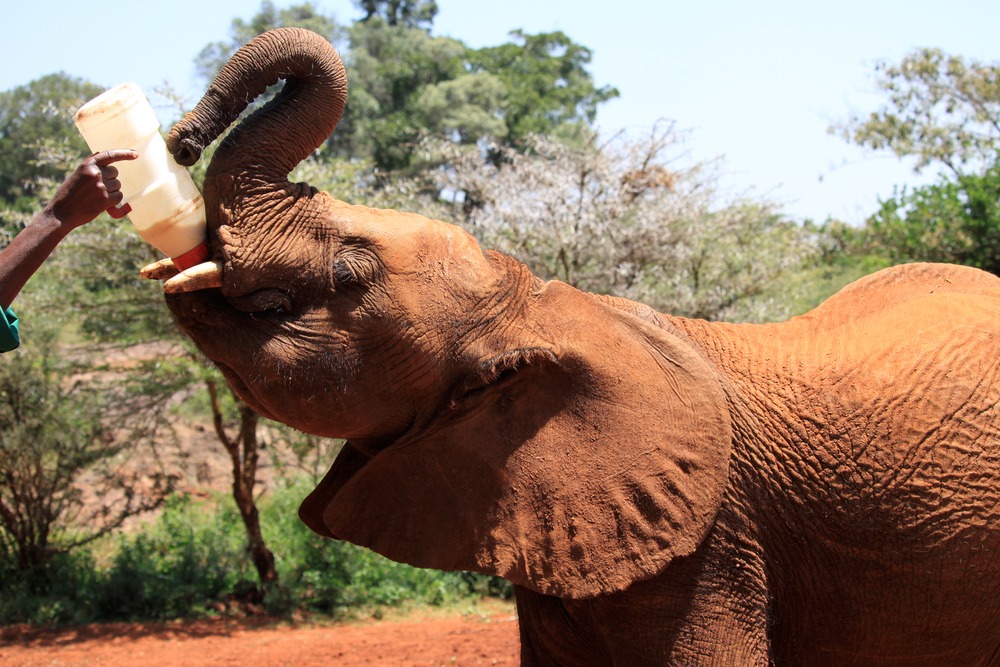
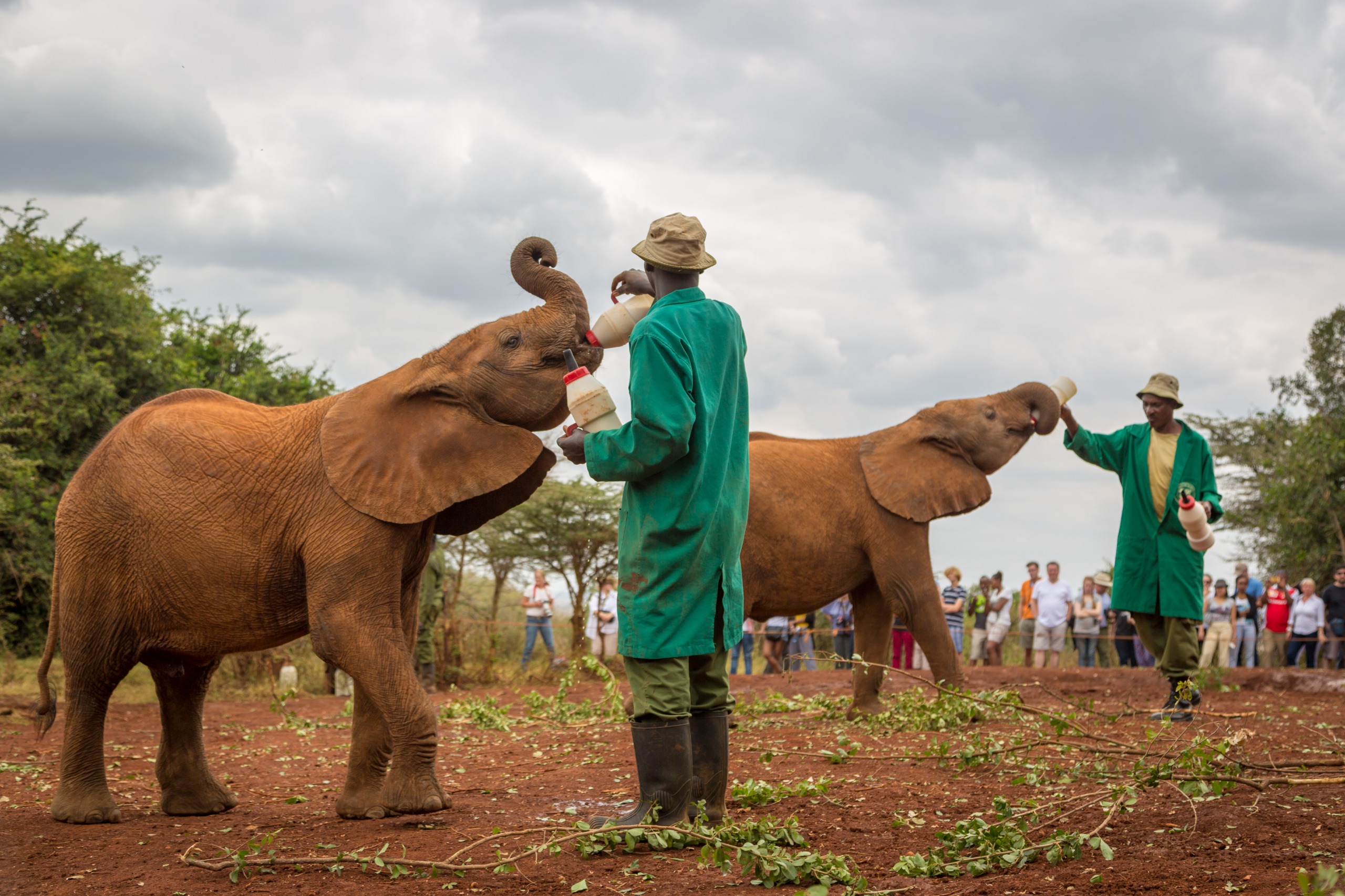
Four of the Big Five are present — lion, leopard, buffalo and rhinoceros — with the elephant being notably absent. This gap is partly offset by the proximity of the David Sheldrick Wildlife Trust, located near the main entrance, which rescues orphaned elephants and rhinoceros before their reintroduction.
History of the park
Founded in 1946, Nairobi National Park is Kenya's oldest. Its foundations date back to the early 20th century, when the British colonial government set aside vast stretches to curb excessive hunting and protect herds displaced by urban expansion. After several decades of deliberation and pressure from wildlife advocates, an area of 30,000 acres (approximately 121 km²) was finally designated as a sanctuary and officially opened to the public in 1946.
The park is now managed by Kenya Wildlife Service (KWS) and remains an emblematic site of African conservation, serving both as a laboratory for wildlife management and as an educational showcase for national and international visitors.
What to see and do
Wildlife
The park hosts a remarkable diversity for its size: lions, leopards, African buffalo, giraffes, hippopotamuses, rhinoceros, spotted hyenas, blue wildebeest, plains zebras, cheetahs, gazelles, elands, impalas, baboons, ostriches and Nile crocodiles. Herbivores follow the southern migration corridor, via the Kitengela conservation area, to reach the Athi-Kapiti plains. The park's southern boundary remains open specifically to permit these seasonal movements.
The skies are equally rich: up to 500 bird species, both resident and migratory, frequent the park, particularly around dams where aquatic species concentrate.
Flora
The landscape alternates between open savanna, acacia scrubland and denser wooded areas. The western highlands harbour a dry highland forest (Olea africana, Croton dichogamus, Brachylaena hutchinsii, Calodendrum), while lower slopes are covered in grassland and yellow-barked Acacia xanthophloea. Rocky valleys give way to Euphorbia candelabrum and, along watercourses, riparian forest.
Other identified specimens include Apodytes dimidiata, Canthium schimperiana, Elaeodendron buchananii, Ficus eriocarpa, Aspilia mossambicensis, Rhus natalensis and Newtonia. Rocky slopes host Euphorbia brevitorta, Drimia calcarata and Murdannia clarkeana.
Associated sites
Near the main entrance, the David Sheldrick Wildlife Trust warrants a stop for its orphanage of young elephants and rhinoceros. The park also has picnic areas, three campsites and a few walking trails in secure zones.
When to visit
The park can be visited year-round. The best period runs from June to September, during the dry season: vegetation is less dense, animals concentrate around water points and observation is easier. The rainy season spans April to June, with a shorter second period between October and November; tracks may become difficult. Average daytime temperature hovers around 22 °C, at an altitude between 1,500 and 1,800 metres.
How to get there
The park lies 7 km south of Nairobi's city centre and approximately 10 km from Jomo Kenyatta International Airport. It has seven gates, including KWS HQ, Langata Road, Langata, Maasai, Mbagathi (reserved for services) and Banda.
- By car or taxi: the simplest option from the city centre or airport. Most visitors enter via the main gate (KWS HQ) on Langata Road.
- By matatu: routes 125 and 126 serve the park's surroundings from Nairobi's bus station, but do not enter — you must then arrange a game drive vehicle on-site.
- By KWS shuttle: a Kenya Wildlife Service bus offers, in principle on Sunday afternoons, an excursion of approximately 2.5 hours departing from the main gate. Booking is done in person, and schedules may vary; it is wise to call ahead.
- By air: international travellers land at Jomo Kenyatta. For a combined safari, Wilson Airport, dedicated to domestic flights, is a logical entry point.
Practical information
- Opening hours: daily daytime opening, typically from sunrise to sunset. It is best to enter early in the morning to maximise sightings.
- Fees: paid entry with differentiated rates for residents / non-residents, payment often digital via the KWS system. Budget a moderate amount for entry, plus vehicle costs.
- Duration of visit: a half-day (3 to 4 hours) suffices for an initial tour; a full day allows you to cover all tracks.
- Vehicle: a 4x4 or raised vehicle is recommended, especially after rain.
- What to bring: binoculars, water, neutral clothing, sun protection.
See in the surrounding area
Several sites complement a park visit in the capital region:
- Nairobi Safari Walk: elevated walkway at the park entrance, ideal for observing wildlife on foot.
- Giraffe Centre: Rothschild giraffe conservation centre, a short distance from the park.
- Crescent Island Sanctuary: predator-free reserve on Lake Naivasha, accessible on foot.
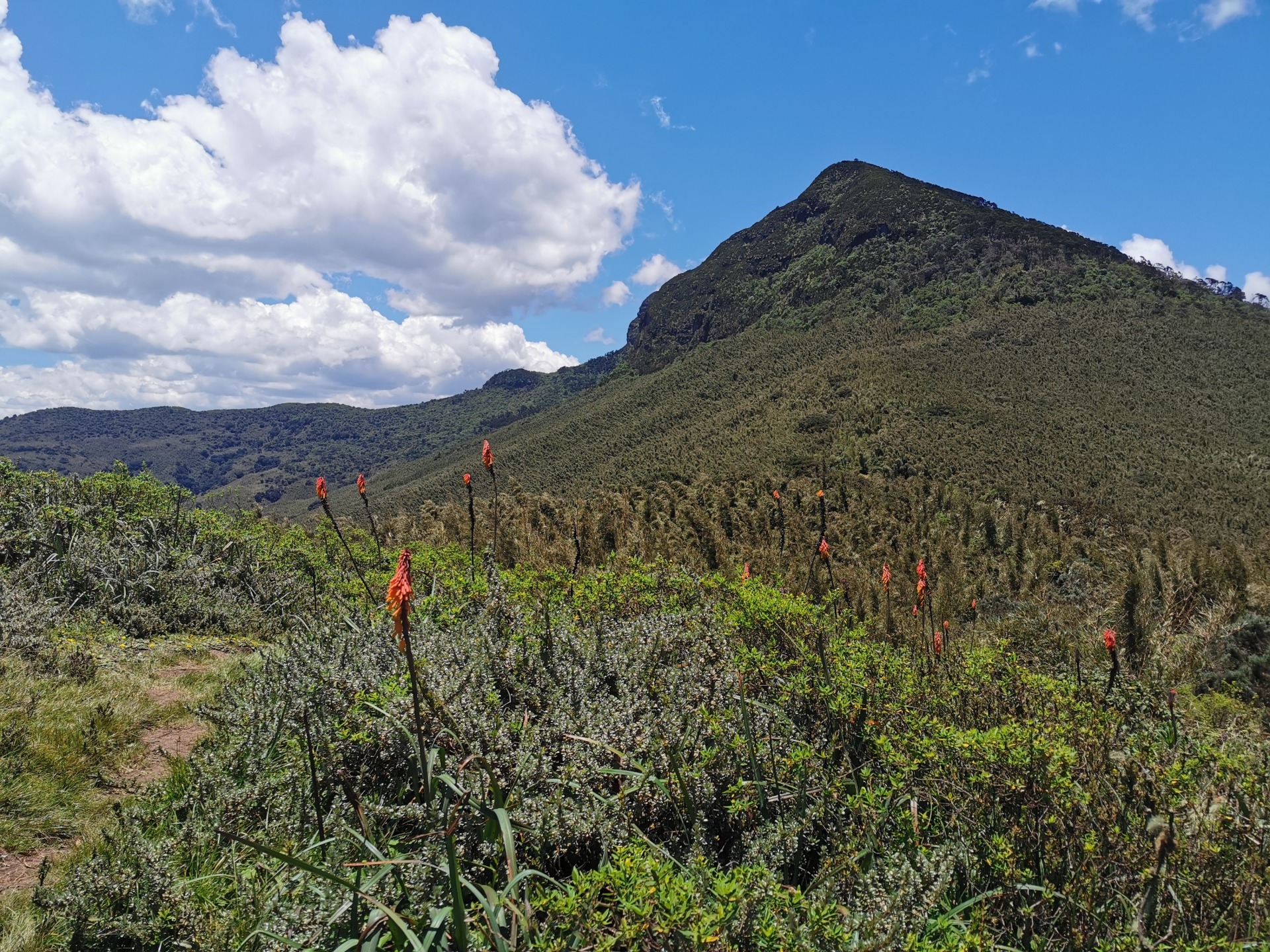
- Mount Kenya: Africa's second-highest peak, to extend your journey towards the country's centre.
Frequently asked questions
Frequently asked questions
No. Four of the five are present — lion, leopard, buffalo and rhinoceros — but the elephant is absent from the park. To observe young elephants, the neighbouring David Sheldrick Wildlife Trust is the best option.
Allow 3 to 4 hours for a half-day game drive and a full day to cover all tracks without rushing.
Yes. As walking is only permitted in specific areas, you must either rent a car with driver, go through a local operator, or try the KWS Sunday shuttle subject to availability.
The dry season, from June to September, offers the best conditions: low vegetation, animals concentrated around water points and passable tracks.
Yes, it is one of its key advantages. Its proximity to Nairobi allows you to test the game drive format before heading to larger reserves like Masai Mara or Amboseli.
Planning your journey
Nairobi National Park integrates easily at the start or end of an itinerary, before or after a longer safari. To build a custom itinerary incorporating this stop, consult our Kenya travel suggestions.
Nearby
Interested in this visit?
We can include it in your personalised itinerary.