Kenya's Climate
Kenya's climate makes it a destination worth visiting year-round. Located near the equator, the country enjoys pleasant weather with sunshine throughout the year. Generally, there are two main seasons. Each region has its own particularities. Here's everythin
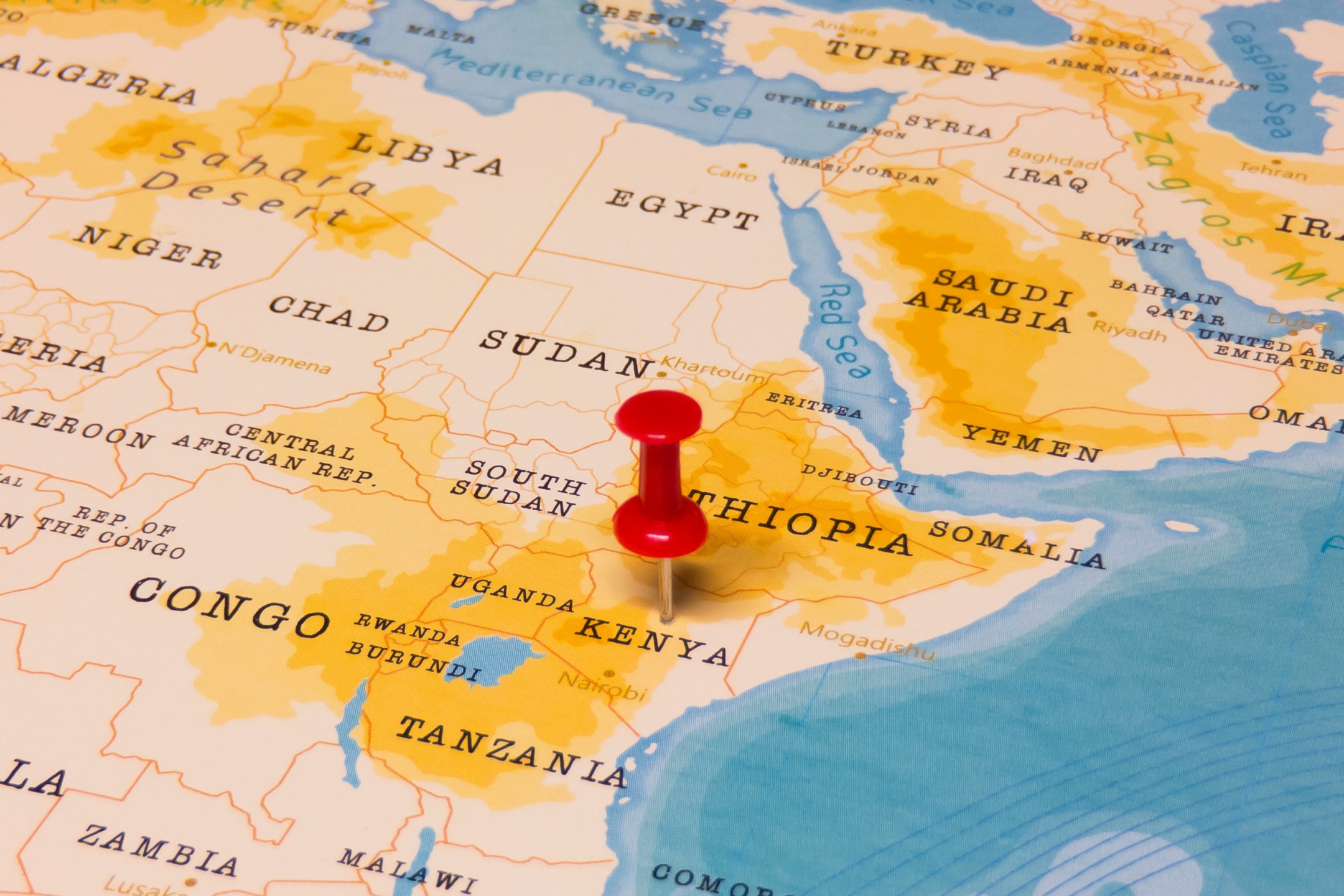
Kenya's climate makes it a destination worth visiting year-round. Located near the equator, the country enjoys pleasant weather with sunshine throughout the year. Generally, there are two main seasons. Each region has its own particularities. Here's everything you need to know about Kenya's climate and when to visit to make the most of diverse activities.
What's the Weather Like in Kenya?
Throughout the year, Kenya experiences two dry seasons: December to March, then late June to around October. The wet season, meanwhile, extends from April to early June—corresponding to the "long rains"—and from November to mid-December for the "short rains". Beyond altitude variations, winds from the Indian Ocean influence weather patterns across different regions of the country.
In the highlands, it's generally warm during the day. Sunshine is often brilliant and humidity is low. Naturally, altitude effects impact temperatures. Thus, in the capital Nairobi, nights can be cold, especially during July and August.
Northeastern Kenya experiences harsher conditions. Heat is oppressive and weather remains dry for much of the year. It's essentially a semi-arid zone, receiving rainfall only between April and May. This weather contrasts sharply with the climate in the southwestern part of the country. In the Lake Victoria region, humidity levels are very high and neutralize all dry periods. Rest assured, however: lighter rains create a window for outdoor activities from January to February. Finally, along the eastern coasts, you'll find a delightful tropical climate—warm and humid, tempered by monsoon winds.
Each Activity Has Its Ideal Season
Going on safari in national parks, witnessing the great migration, trekking through mountains, or enjoying beach resorts… Kenya offers diverse experiences year-round. Here are some guidelines for planning your itinerary based on your activity preferences and weather.
For Safari in Kenya's National Parks
You can explore Kenya's natural reserves any time of year, but prioritize the dry seasons to fully enjoy safaris. From July to October, when temperatures hover around 25°C (77°F), you'll have the chance to witness the great migration of zebras, wildebeest, and antelopes. This epic journey begins in Tanzania's Serengeti National Park, passes through the crocodile-infested Mara River in August, and culminates in the Masai Mara region, where animals graze between September and October.
However, the short rainy season from November to mid-December brings its own advantages. If you want to see nature refreshed and rejuvenated, this is the best time to visit Kenya. Plus, there are fewer tourists. Generally, rains occur in the afternoon. Beyond lush parks, you'll have the opportunity to observe numerous colonies of migratory birds. The wet period from March to May isn't recommended for safaris due to heavy precipitation.
For Trekking in Kenya's Mountains
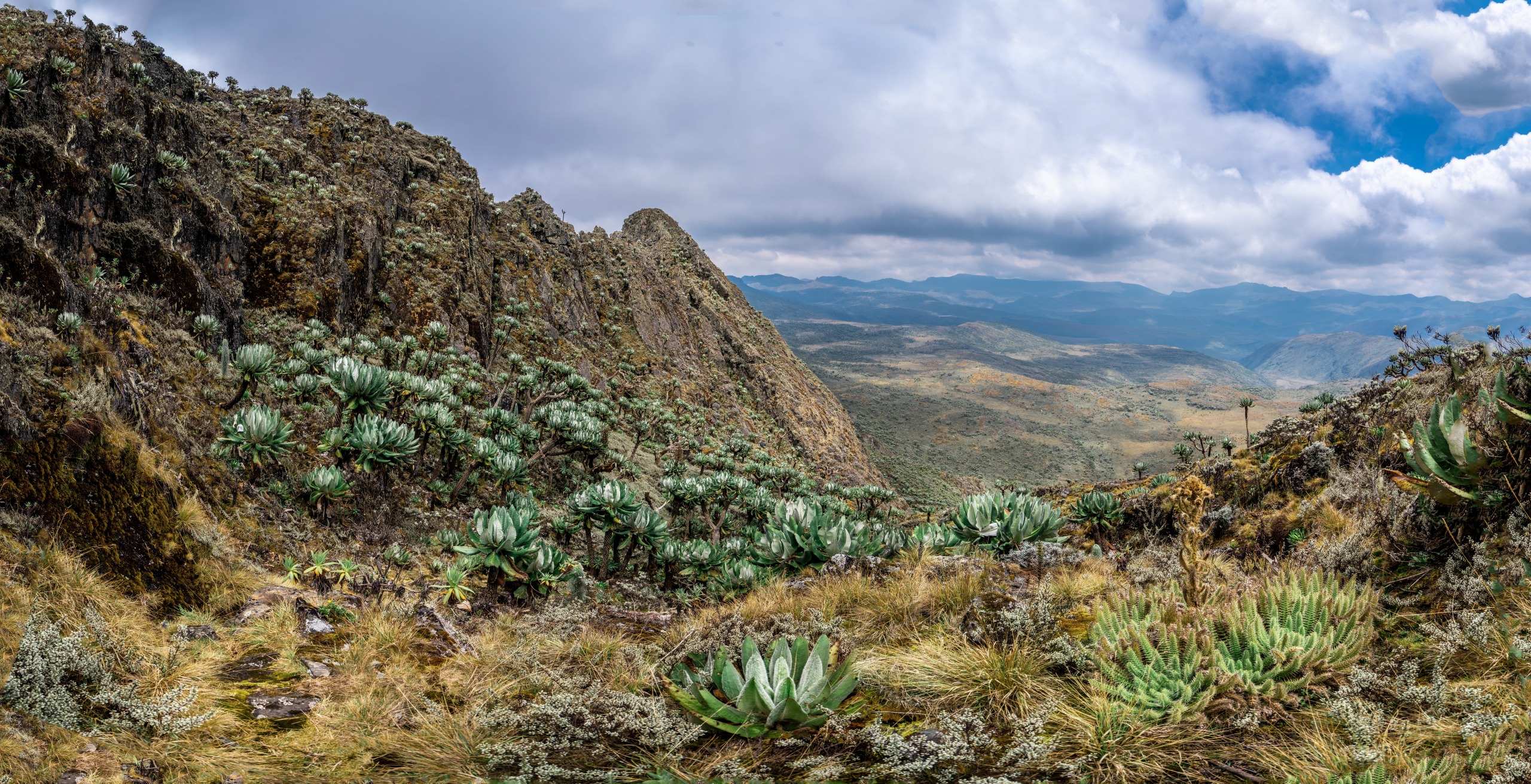
Kenya is home to Africa's second-highest peak, Mount Kenya (5,199 meters), and also provides access to trekking routes leading to Mount Kilimanjaro, the continent's number one (5,895 m). If you plan to tackle these colossal mountains, schedule your vacation during dry periods. Be cautious, however—weather at high altitudes is difficult to predict. Specialists recommend the months of January, February, and September for warm, sunny days.
For Relaxation at Beach Resorts
In Mombasa and other coastal regions, the weather is warm and humid nearly year-round. First, if you're planning to lounge on the beach, avoid visiting between March and May, as rains occur frequently. For snorkeling and diving enthusiasts, March can be an option, but October and November remain prime periods for immersing yourself in clear, warm water (26°C / 79°F). Between October and April is whale shark migration season. Departing from Diani Beach, embark on a boat excursion to admire these magnificent giants. Finally, if you wish to enjoy both beach life in Mombasa and safaris at Masai Mara National Park, plan your trip to