What is the Best Time for a Safari in Kenya?
Planning a safari adventure in Kenya? Whether you want to witness the Great Migration, spot as many animals as possible, observe birds, or capture stunning photographs... Discover all our tips for choosing the ideal time based on your expectations.
Planning a safari adventure in Kenya? Whether you want to witness the Great Migration, spot as many animals as possible, observe birds, capture stunning photographs... Discover all our tips for choosing the ideal time based on your expectations.
In summary: You can embark on a safari in Kenya year-round, but certain periods are more favorable depending on the type of experience you're seeking:
- To see the greatest number of animals, opt for a safari during the dry seasons, from December to March and July to October;
- To witness the spectacular Great Migration phenomenon, book your safari between August and October;
- For birdwatching, consider visiting during the short rainy season, from November to December;
- For photography, avoiding crowds, and enjoying attractive prices, it's best to safari during the rainy season.
What is Kenya's Climate Like?
Positioned near the equator, Kenya enjoys an equatorial climate. With average temperatures ranging between 20 and 26°C, Kenya benefits from consistent sunshine and pleasant temperatures throughout the year.
Kenya's Different Seasons
Kenya's climate is shaped by distinct seasons that cycle throughout the year:
- The first dry season from December to March: temperatures are quite high, with warm and dry air across much of the country;
- The first rainy season from April to June: considered the "long rains," these are the months when the country experiences the most precipitation. At this time, showers are very intense but typically short-lived;
- The second dry season from July to October: sunny days predominate and rainfall is rare;
- The second rainy season from November to December: considered the "short rains."
Worth noting: The two dry seasons correspond to peak tourism seasons. These are the times of year when tourist traffic is highest.
Climate Variations by Region
While Kenya's climate is characterized by minimal temperature fluctuations, notable differences exist across regions. Due to its proximity to the Indian Ocean and varied topography, the country features several microclimates with temperature variations depending on location.
For example, it's significantly cooler in the mountainous central regions compared to the arid northern desert, while the Lake Victoria region is characterized by nearly constant humidity.
Choosing Your Period Based on the Type of Safari
Each season has its own set of advantages and disadvantages. Discover the best times to safari in Kenya based on the type of experience you desire, the regions you wish to explore, or your constraints (budget, etc.):
The Best Time for a Safari in Southern Kenya
Most of Kenya's reserves and national parks designated for animal safaris are located in the south. Among the principal sites, you'll find:
- Amboseli National Park, renowned for its impressive elephant colonies and magnificent views of Mount Kilimanjaro;
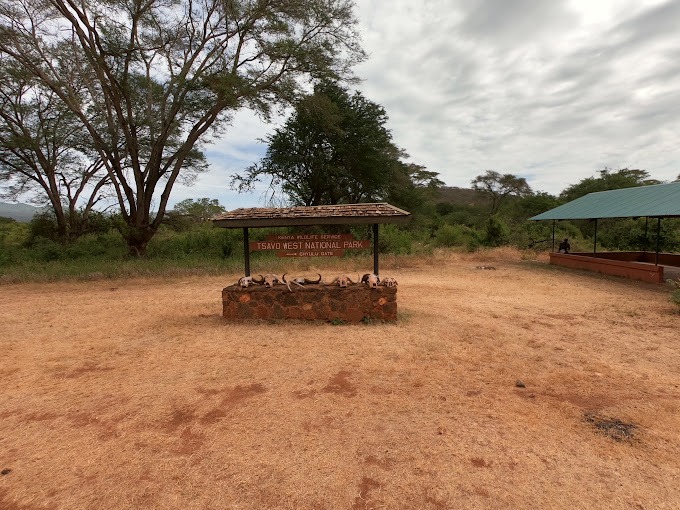
- Tsavo East National Park and Tsavo West, prized for their diverse landscapes and the presence of the Big 5;
- Masai Mara National Reserve, known as one of the Great Migration's premier locations and as a place to encounter the Masai people...
While it's possible to safari in southern Kenya's parks and reserves year-round, the best period falls during the dry seasons, from December to March and July to September (particularly for witnessing the Great Migration).
During dry seasons, you'll experience the least precipitation, and more importantly, these months are ideal for observing wildlife more easily. Why? Because grass is dry and short (allowing you to spot animals more readily) and water sources are scarce (enabling you to see animals gathering at the few remaining watering holes to drink).
The Best Time for a Safari in Northern Kenya
Northern Kenya's national parks and reserves receive far fewer tourists. Yet they are excellent safari destinations, particularly for travelers seeking to venture off the beaten path and experience intimate wildlife encounters. Among the principal sites, you'll find:
- Sibiloi National Park, renowned for its bird populations, crocodiles, and felids. The reserve is also considered the cradle of humanity, having yielded hominid fossils dating back 2 million years;
- Samburu National Reserve, where you can observe the "Samburu Special Five" (reticulated giraffe, beisa oryx, Grevy's zebra, gerenuk antelope, and Somali ostriches);
- Meru National Park, renowned for harboring rarer animal species, including the white rhinoceros, protected within an enclosed sanctuary managed and guarded by Kenya Wildlife Service rangers...
Due to the presence of the Chalbi Desert, northern Kenya's climate is considerably more arid and hot than elsewhere in the country. Rainfall is virtually nonexistent and temperatures are sometimes extreme (frequently exceeding 30°C).
For these reasons, while it's possible to safari in northern Kenya year-round, it's generally advisable to visit between December and March.
The Best Time to Witness the Great Migration in Kenya
The Great Migration ranks among the most spectacular natural phenomena worth experiencing at least once in a lifetime. The good news? Kenya is one of the world's premier destinations to witness it. Each year, millions of wildebeest, zebras, and antelopes move, following seasonal rhythms, between Tanzania and Kenya in search of fresh pastures.
Generally speaking, the Great Migration occurs between August and October in Kenya. But the phenomenon unfolds through numerous stages:
- August: The arrival of herbivores on Kenyan territory with the crossing of the Mara River, located at the southern tip of Masai Mara National Reserve. A word of caution for sensitive viewers—this is when you may witness attacks by ravenous crocodiles;
- September: Animal herds arrive on the Masai Mara plains to forage for food and water. During this period, you can observe predators hunting herbivores;
- October/November: Wildebeest, zebras, and antilopes that have survived make their way back, recrossing the Mara River to return to Tanzania's Serengeti National Park.
The Best Time to See the Most Wildlife During a Kenya Safari
Animals are present year-round in Kenya's reserves and national parks. However, to observe the greatest number of animals during a Kenya safari, it's advisable to travel during the dry seasons, from December to March and July to October. During these times, animals are easier to spot because vegetation is lower. Additionally, these are periods when the vast majority of animals congregate around water sources.
The Best Time for Birdwatching in Kenya
With over 1,100 bird species officially recorded (including numerous endemic species and migratory birds), Kenya is a world-renowned destination for birdwatching.
Among the finest birdwatching sites in Kenya are:
- the Great Rift Valley,
- Lake Turkana,
- Lake Nakuru National Park,
- Lake Naivasha National Park,
- Samburu National Reserve,
- Lake Victoria, and
- Kalacha Forest.
The ideal season for an ornithological safari in Kenya is the rainy season, from November to December. Rest assured—while rains can be intense, they're typically brief. Moreover, temperatures remain pleasant (minimum 20°C) despite the precipitation.
The Best Time for Photography During a Kenya Safari
Although the humid season may present certain challenges (intense but brief rains, risk of violent storms, less navigable tracks, and wildlife less readily observable), it constitutes the best period for photography during a Kenya safari.
The reason is compelling: rainy seasons transform the landscapes—they become far more verdant than the rest of the year (during dry seasons, landscapes are rather arid with golden hues). Furthermore, rains and storms create striking interplays of light across the bush landscape. These factors explain why rainy seasons are photographers' preferred seasons.
The Best Time to Avoid Crowds During a Kenya Safari
As mentioned earlier, dry seasons correspond to peak tourism seasons. In other words, December to March and July to October are when tourist numbers peak in Kenya.
Accordingly, it's advisable to travel during the rainy season if you wish to avoid crowds and enjoy the savanna's tranquility. Once again, it's important to note that rainfall doesn't prevent safari-goers from observing wildlife since showers typically last just an hour or two and generally follow clear skies.
The Best Time for a Budget-Friendly Safari in Kenya
Once again, the rainy season is preferable if you wish to safari in Kenya on a modest budget. It's during the low season that you'll enjoy the lowest prices, whether for transportation or accommodations within parks and reserves. For example, accommodations may be up to 25% cheaper in May than in July/August. April, June, and November are also among the least expensive months.
The Best Time for a Kenya Safari Honeymoon
Dream of experiencing a Kenya safari for your honeymoon? For maximum sunshine and the greatest opportunity to see wildlife, we recommend visiting during the dry seasons, from December to March and July to September. However, we still advise avoiding school holiday periods to enjoy greater tranquility.
Good to know: With climate change, it's increasingly evident that seasons are no longer as regular and distinct as they once were. It's therefore entirely possible to experience some rainfall during the dry season, or to see the rainy season arrive with significant delay or even fail to arrive at all...