Spotting Hippos in Kenya: 9 Must-See Locations for Your Safari!
Dreaming of spotting hippos in Kenya? Follow along as we reveal the best places to observe these magnificent creatures on safari.
Dreaming of spotting hippos in Kenya? Follow along as we reveal the best places to observe these magnificent creatures on safari. From Lake Baringo to Samburu National Park, passing through the Masai Mara Reserve and Nairobi National Park: here are the finest spots to see these impressive semi-aquatic mammals...
Where can you spot hippos in Kenya?
1. Lake Baringo
Designated a wetland of international importance by Ramsar (in 2002), the lake is home to numerous hippos, as well as crocodiles and gazelles. In the past, the shores of the lake were also a prime spot for observing the Rothschild giraffe. Once extremely abundant, they were even nicknamed the "Baringo giraffes."
Unfortunately, rising water levels and poaching have taken their toll on this species (and the last remaining specimens were relocated to neighboring regions). A story that reminds us just how fragile wildlife, however fierce, truly is...
2. Lake Nakuru National Park
If you're exploring the Great Rift Valley, make a stop at Lake Nakuru! Distinguished by the highest accolades (Ramsar, UNESCO), the site is renowned for its thousands of flamingos. Situated at over 1,700 meters in elevation, the lake is surrounded by forests, wetlands, and grasslands (home to many animal species).
Hippos, meanwhile, love to gather in the shallow waters of Lake Nakuru. They are often accompanied by other aquatic mammals, such as clawless otters. This part of Kenya enjoys a climate without oppressive heat, ideal for conducting a safari.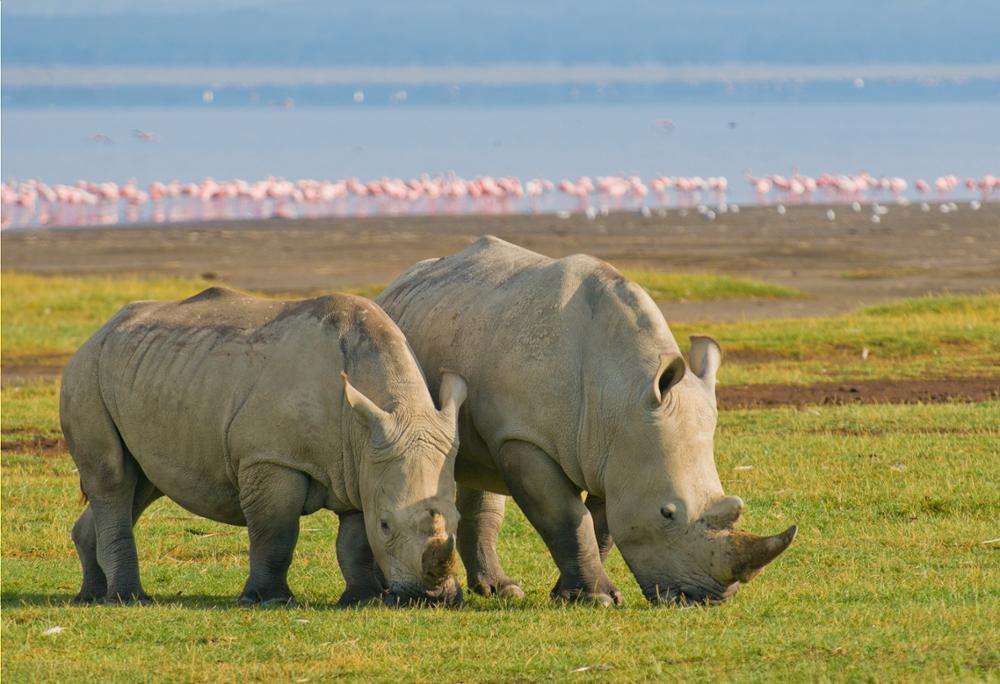
3. Lake Naivasha (Crescent Island)
Considered a nature reserve since 1988, the Crescent Island sanctuary is an excellent place to observe hippos. Indeed, these creatures particularly appreciate Lake Naivasha. This body of water appears on the prestigious Ramsar sites list (an organization that catalogs wetlands of international importance around the globe).
Lake Naivasha is also an ideal location for birdwatching... through a boat safari! The excursion, lasting approximately 90 minutes, allows you to see white pelicans, cormorants, and ospreys.
4. Masai Mara National Reserve
During a safari in the Masai Mara National Reserve, you'll have the chance to spot hippos submerged in the Mara River. To protect themselves from the heat, they remain submerged most of the time... Meanwhile, their waste enriches the river's waters with 75% silica (a natural element crucial for the survival of the river's ecosystem).
You can observe this river giant on a 4x4 safari or from a hot air balloon soaring above the reserve! It's an opportunity to witness the sunrise as well and see hippos returning to the water in the early morning (after spending the night feeding on land).
5. Lake Victoria
In the Ndere Island National Park, hippos are also present in considerable numbers in the waters of Lake Victoria (also bordered by Uganda and Tanzania). An opportunity to see numerous crocodiles as well...
6. Nairobi National Park
Less than ten kilometers from the capital, don't miss Nairobi National Park. Beyond hosting lions, buffalo, zebras, gazelles, and giraffes (a far from exhaustive list), the site is also home to many hippos.
The park is particularly famous for its hippo pool: an area where semi-aquatic mammals love to bathe in groups—while other animal species gather there to drink water.
7. Amboseli National Park
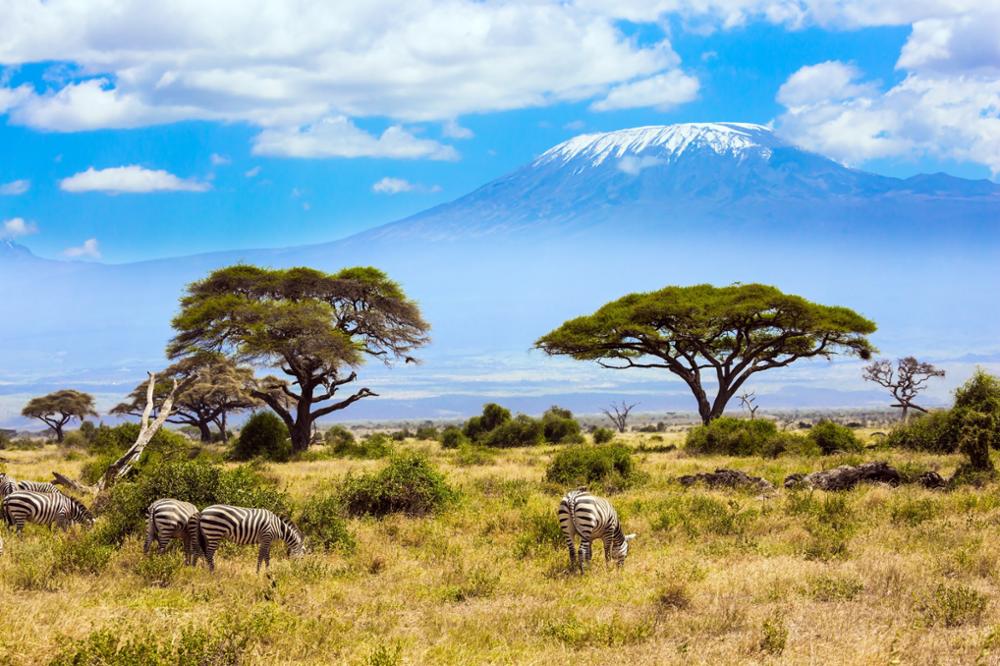
Around the Amboseli National Park, you'll be able to admire these African giants with the iconic Mount Kilimanjaro as your backdrop! The safari can be done with a guide or as a self-drive adventure. Remember, if you choose the latter option—without a driver-guide—be sure to follow the park's regulations carefully for a safe safari.
Also note that during the rainy season (April to November), driving within the park can be challenging... If you choose this period for your safari, opt instead for a guided excursion. Amboseli Park can also be viewed from the sky during a balloon safari.
Designated a UNESCO Biosphere Reserve since 1980, Amboseli National Park shelters many other animal species across its "modest" 400 km² expanse. Among them? Zebras, buffalo, elephants, antelopes, and a few cheetahs...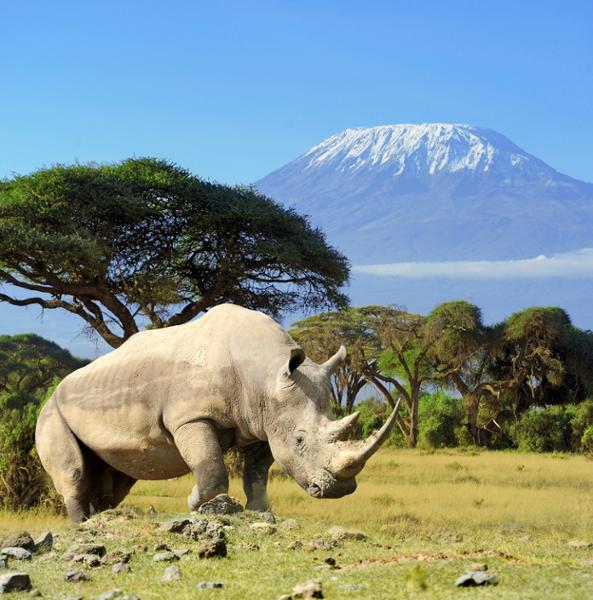
8. Tsavo National Park
Divided into two distinct zones (East and West), Tsavo National Park is also a place where you can see hippos in Kenya. This is due to the presence of multiple water sources, notably the Athi River (the country's second-longest river). The giants move between water sources based on rainfall—and the availability of sufficient water for bathing.
9. Samburu National Reserve
Approximately 300 kilometers north of Nairobi, you'll find Samburu National Reserve. Situated on the banks of the Ewaso Ng'iro River, it serves as an aquatic refuge for hippos seeking relief from the heat. The reserve sits in a semi-arid zone, hotter than other regions of the country. Beyond seeing our cherished semi-aquatic mammals, you can observe oryx, African wild dogs, zebras, crescent antelopes, buffalo, and more.
When should you see hippos in Kenya? To observe hippos in Kenya under optimal conditions, it is recommended to prioritize the two dry seasons, which span from December to February and June to October. ● During these periods, water becomes scarce, forcing hippos to congregate in the remaining rivers and lakes (this concentration makes them easier to spot). ● The dry season is also the breeding period for hippos! An opportunity to witness mating... provided you're observant, as mating occurs underwater! During the act, only their nostrils protrude above the surface. |
What precautions should you take when observing hippos?
Due to their sluggish appearance (heavy and slow in their movements), hippos are often considered harmless animals. Yet they are actually Africa's most dangerous animal—their legendary "yawn" is actually a sign of aggression... During a safari, it's important to follow a few guidelines to observe them safely:
Be discreet and stay at a distance from water areas: to protect themselves from the heat, hippos spend most of their time submerged in lakes and rivers. But when in the water, they can become very aggressive, especially if surprised or feeling threatened in their aquatic habitat...
Be vigilant at dusk: hippos are most active at twilight and during the night, when they leave the water to feed on the shores.
Don't approach the young: females are extremely aggressive in their protective maternal role. Never approach young hippos too closely to observe or photograph them.
Conduct the safari with an experienced guide and respect their instructions.
The hippopotamus is... ● a species of semi-aquatic mammal (spending more time in water than on land), ● capable of staying underwater for 3 to 5 minutes, ● equipped with nostrils that close automatically while sleeping (to prevent water from entering its body), ● an aggressive and territorial beast (but primarily in the water: on land, the hippo tends to retreat to water when facing danger). ● an animal that can weigh up to 1.5 tons for a male and 1.3 tons for a female (with a lifespan of approximately 45 years). |
Frequently Asked Questions
What is Kenya's emblematic animal?
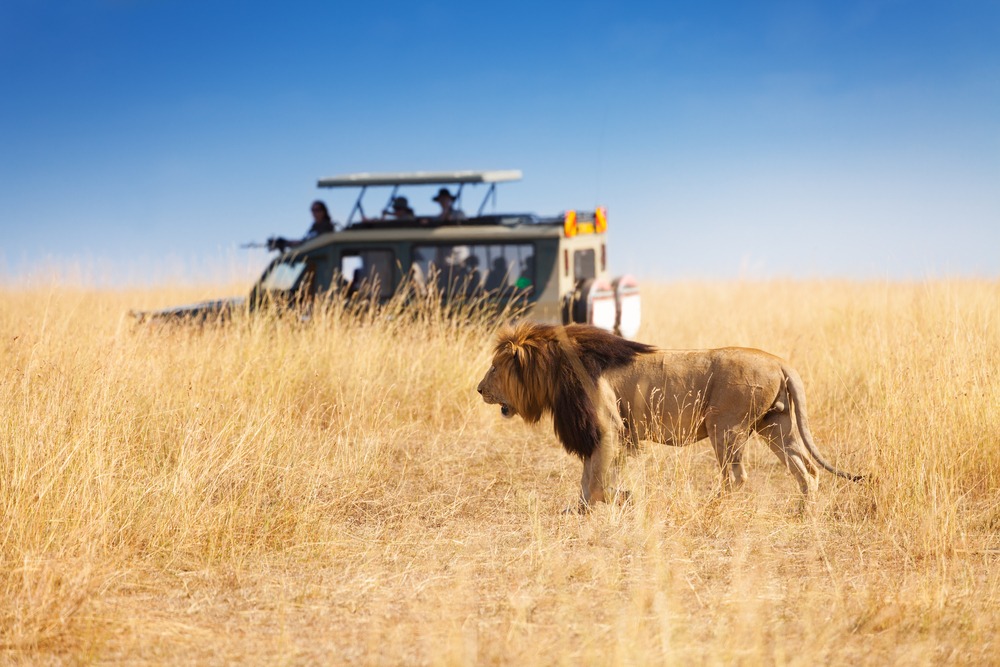
The lion is Kenya's emblematic animal. It represents the protection and courage of the Kenyan people. Present on the country's coat of arms since 1963, it also symbolizes the richness of local fauna and the fighting spirit of Kenyans in the defense of their nation.
What animals live in Kenya?
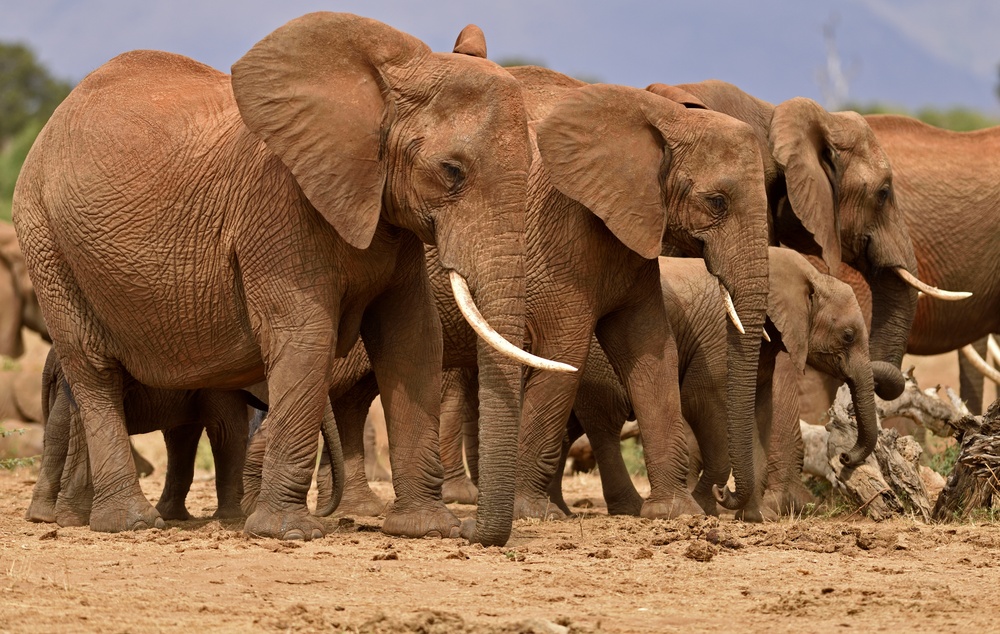
Beyond the famous Big Five (elephants, buffalo, lions, leopards, and rhinoceros), Kenya is also fortunate to host (among others): flamingos, giraffes, crescent antelopes, and Kirk's dik-diks, as well as Grant's gazelles, impalas, crocodiles, and hippos.
How long can a hippo stay underwater?
A hippo can stay underwater for an average of 3 to 5 minutes. Their lungs, larger than those of similarly-sized mammals, allow them to store more oxygen to extend their breath-holding capacity. Their breath-holding duration varies based on age, physical condition, and the animal's activity level.
How fast can a hippo run?
Despite their size, a hippo can run at nearly 30 km/h (18.6 mph) for several hundred meters and up to 8 km/h (5 mph) in water! However, they cannot jump due to their substantial body mass.
Frequently asked questions
Yes, Kenya is one of Africa's best countries for observing hippos in the wild. You can see them at 9 remarkable natural sites, including the Masai Mara Reserve, Lake Baringo, Lake Naivasha, and Nairobi National Park, on 4x4 safaris, boat tours, or hot air balloon rides.
Yes, despite their peaceful appearance, hippos are considered Africa's most dangerous animals. It is essential to keep a safe distance from water areas, never approach young hippos, and always follow the guidelines of an experienced safari guide.
Kenya's two dry seasons (December to February and June to October) are ideal for observing hippos. During periods of low rainfall, water becomes scarce and hippos concentrate in the remaining rivers and lakes, making them far easier to spot.
There are at least 9 remarkable spots to observe hippos in Kenya: Lake Baringo, Lake Nakuru, Lake Naivasha, the Masai Mara Reserve, Lake Victoria, Nairobi National Park, Amboseli Park, Tsavo Park, and Samburu Reserve.
Yes! Nairobi National Park is located less than 10 kilometers from downtown. It is home to a 'hippo pool,' a bathing area favored by hippos, observable alongside other animal species. It is one of the rare world capitals offering such a spectacle in pristine nature.